A Good Dad Changes Everything Quote
First Impressions: Elegant, Warm, and Ready for Real Stitches
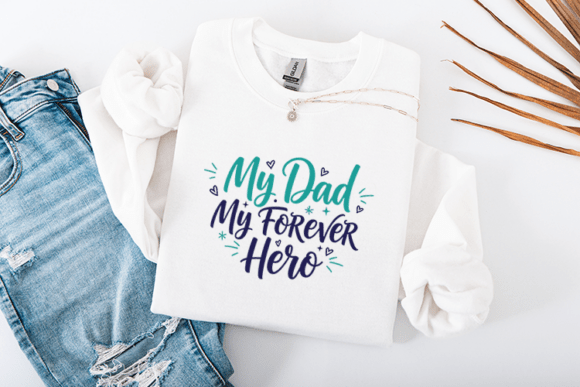
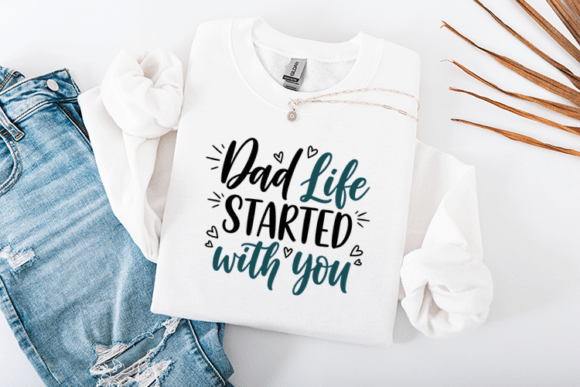
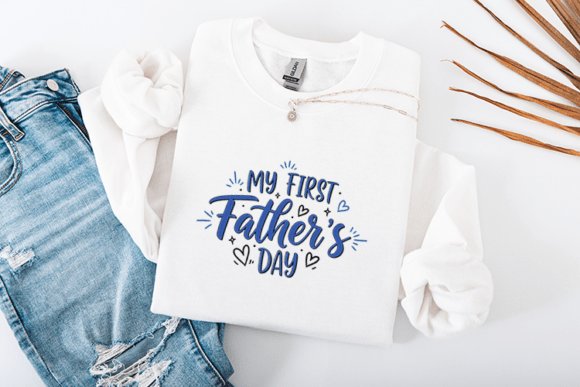
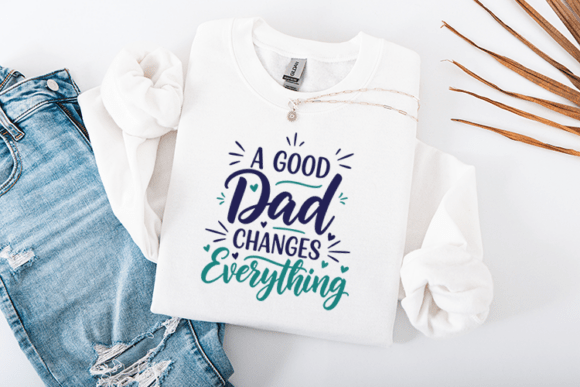
When I opened A Good Dad Changes Everything Quote in Illustrator, my immediate thought wasn’t “pretty font”—it was “this will stitch cleanly.” The script flows with confident rhythm, not overly tight or fussy, and those soft decorative accents—think subtle flourishes near the ‘g’ in *Good* and the tail of *Everything*—add warmth without clutter. It’s heartfelt without being saccharine, elegant without sacrificing readability. This isn’t a design shouting for attention; it’s one that earns it quietly—perfect for a handmade tote bag heading to Father’s Day brunch, a nursery pillow cover, or a small-batch sweatshirt line for dads who appreciate subtlety over slogans.
Where It Shines: From Baby Onesies to Boutique Merchandise
I tested A Good Dad Changes Everything Quote across several real project types—and its versatility surprised me. On a medium-weight cotton twill tote bag? Crisp satin stitch on the letterforms held beautifully, and the gentle curves translated smoothly into thread. On a lightweight baby onesie (with tear-away + cutaway stabilizer), the script remained legible at 8 inches wide—no thin strokes vanished, no flourishes bunched. As an embroidered patch for a denim jacket? It worked flawlessly when digitized with balanced stitch density: enough fill to anchor the curves, but open enough to avoid stiffness.
It also landed well on kitchen towels and pillow covers—fabrics where texture can swallow detail. Because the letterforms have generous spacing and moderate stroke weight, they don’t disappear into terry loops or linen weave. For Etsy sellers or small shop owners, this is gold: it reads clearly in product photos, scales well in printable mockups, and feels premium as a finished product—not generic clip art dressed up.
Where to Pause: Fabric, Fit, and Functionality
That said, A Good Dad Changes Everything Quote isn’t magic—it responds honestly to material constraints. On highly textured fabrics like bouclé or thick terry cloth, I recommend simplifying or omitting the most delicate decorative accents before digitizing. On stretchy knits (think crewneck sweatshirts), use a firm cutaway stabilizer and reduce stitch density slightly in curved areas to prevent puckering. And while the design fits comfortably in a 12-inch hoop, don’t force it into anything smaller than 8 inches wide without testing—tight corners on the script’s loops can compress or distort if scaled too aggressively.
Dark fabric demands attention to thread contrast: light ecru or soft grey works better than stark white for warmth, especially on charcoal or navy. And yes—it’s absolutely fine for holiday embroidery (think Father’s Day gift sets or Christmas stockings), but avoid placing it directly over seams or layered garment sections (like underarm seams on tees) unless you’ve pre-tested hooping stability.
Design Assets That Build Trust—Not Just Aesthetics
What makes A Good Dad Changes Everything Quote stand out for craft businesses isn’t just how it looks—it’s how it makes your customers *feel*. When someone unwraps a personalized gift stitched with this design, the elegance signals care, intention, and craftsmanship. That perception lifts perceived value instantly. For Etsy sellers, it strengthens brand consistency across listings—whether used on a tea towel, a cap, or a digital embroidery file preview. And for custom apparel shops, it avoids the “mass-produced” vibe common with overused fonts or clip-art quotes.
It also performs well in black-and-white mockups, which matters for print catalogs or minimalist branding. No need for heavy shadows or outlines—the inherent balance of weight and space carries through.
Practical Designer Notes Before You Stitch
- Always test on scrap fabric first—especially if using textured, stretchy, or dark materials.
- Check thread color contrast before finalizing: warm neutrals (oatmeal, heather grey, soft sage) often read more authentically than pure white or black.
- Review stitch density in the script’s tighter curves—you want clarity, not bulk.
- Confirm hoop size compatibility with your machine and intended product—12 x 12 inches gives flexibility, but smaller items may need repositioning or scaling.
- Inspect small details in your embroidery software: ensure flourishes aren’t digitized as single-thread runs that could break.
- Test both light and dark fabric backgrounds in digital previews—some accents fade on busy prints.
- Use proper stabilizer: medium cutaway for knits, tear-away for stable wovens, fusible for lightweight linens.
- Verify licensing before selling finished items or digital embroidery files—this design falls under Graphics, so commercial use rights must be confirmed with the source.
Final Thought: More Than a Quote—A Quiet Statement
A Good Dad Changes Everything Quote doesn’t try to do everything. It does one thing exceptionally well: deliver emotional resonance through considered design. As a machine embroidery design, it respects the limits of thread and fabric. As a craft business asset, it supports authenticity—not gimmicks. Whether you’re stitching a last-minute Father’s Day gift or building a cohesive collection of nursery decor, this design earns its place not because it’s trendy, but because it stitches true, reads clearly, and feels human. In a crowded Crafts category, that kind of quiet reliability is rare—and worth every stitch.